
How Automated Construction Systems Work: A Technical Breakdown for Technicians
Automation has transformed construction in North America and worldwide. The increasing use of robotics and digital workflows in construction has also increased demand for skilled technicians who can work with advanced systems. If you're an automation technician, understanding how these systems work can help on the job and when seeking new positions.
Key Takeaways:
- Automation technicians play an important role in the installation, calibration, and maintenance of automated construction systems.
- Many automated systems must be perfectly calibrated to ensure accuracy and efficiency.
- Automated construction systems must be fully integrated with building systems to ensure full functionality.
For automation technicians seeking to work in modern construction environments, it's important to have training in the control, troubleshooting, and maintenance of these systems.
What Are Automated Construction Systems?
Automated construction systems combine robotics and automated machinery as well as material handling systems (like conveyors). These systems change construction processes dramatically by automating construction workflows. In traditional construction systems, workers plan the construction and building processes, order materials, and assemble them on site.
In automated construction systems, much of the planning occurs through a digital model. Materials are ordered, components are prefabricated off-site, and they're assembled onsite with the help of robotics. Construction outfits that use automated systems often require fewer laborers and more engineers, programmers, and automation technicians.
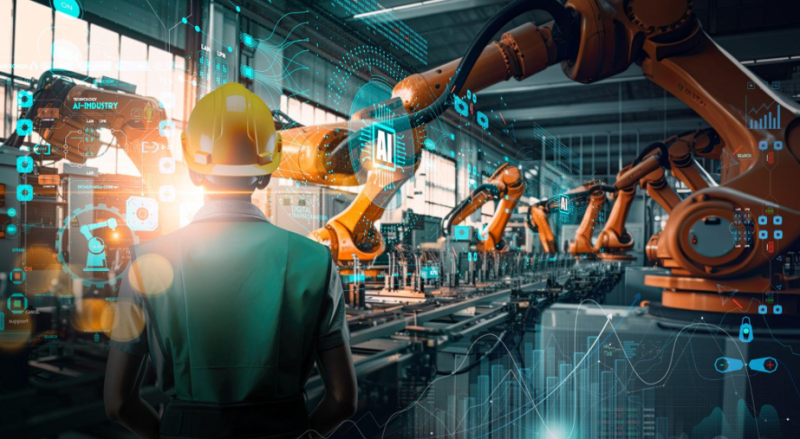
How Automated Construction Works
Automated construction is primarily used to build modular structures where components are built off-site in controlled environments. These modular components are then transported to the construction site and assembled there. Automating the construction process means reduced waste and improved quality control. Often, these projects are assembled much faster than traditional structures.
Technicians are responsible for assembling and operating automated systems. They calibrate, troubleshoot, supervise, inspect, and monitor for safety and compliance.
Construction Robots and Automated Construction Systems
There are several types of construction robots and automated construction systems, including robotic arms, autonomous vehicles for material transport, and 3D printing systems to create modular components. Automation technicians on construction sites require a range of skills as well as knowledge of sensors and control systems, and pre-programmed versus adaptive tasks.
Material Handling and Conveyor Systems
Conveyors transport materials more efficiently and safely than people. These systems must be installed, aligned, and maintained by automation technicians. Technicians must also diagnose mechanical and electrical issues to help keep materials moving on and off-site.
Electrical and Mechanical Integration Systems
Mechanical systems such as motors and hydraulics rely on electrical systems with sensors and controllers. Together, these systems are responsible for processes like the production of modular components, hauling, excavating, installing, and more. These systems must work together, communicating and operating in sync to ensure efficiency, safety, and compliance.
Digital Systems and Controls
Software creates 3D models before anything is built. The models are translated into instructions that robots can follow, and then programmable logic controllers (PLCs) execute the instructions. Technicians must configure the programs, monitor system performance, and adjust the settings based on site conditions to ensure optimal operation on the job site and in the prefabrication process.
Technician Responsibilities
Automation technicians are responsible for a myriad of tasks on the construction site and off-site, where prefabrication is taking place. Technicians must have expertise in all of these tasks to ensure the smooth operation of the robots and other automated systems.
Installation and Commissioning
Automated systems must be installed onsite, which is not always a simple process. First, the site must be prepared, then the equipment must be set up. Mechanical and electrical components are integrated, then tested and calibrated. This process is documented. Often, technicians must collaborate with other trades and teams throughout this procedure.
Maintenance and Troubleshooting
Preventive maintenance is always preferred over reactive maintenance. Mechanical wear and tear, electrical faults, and software configuration problems can all lead to problems during the prefabrication and construction process. Technicians use diagnostic tools to find problems before they cause downtime and/or damage. They perform tests frequently to find and correct problems.
Safety Considerations
Heavy machinery, particularly high-voltage systems, can be dangerous if not properly installed and maintained. Construction is one of the most heavily regulated and scrutinized industries in North America, due to the number of workplace accidents that have traditionally occurred on construction sites. Technicians are trained to have safe interactions with these systems, following the regulations that apply wherever the construction site is located.
Industry Applications and Demand
Automated construction systems are found on commercial and residential construction sites. The demand for technicians is only growing. There are many career opportunities for skilled workers with Automation Technician Training.
Improve Your Skills as an Automation Technician
Automation is changing construction as we know it, and automation technicians are essential for keeping these construction systems running. If you have a passion for building and are seeking a technical career in construction, you may be a good candidate for automated technician training.
Whether you're already working as a technician in another industry and would like to pivot, or you're a young person hoping to enter the trades as an automation technician, get your start with a training program that offers flexibility for adult learners.
Many people begin their training with George Brown Polytechnic, where we offer flexible online classes and pay-as-you-go tuition. To learn more, contact George Brown Polytechnic about our Automation Technician Program at info@gbctechtraining.com or call our toll-free number at 1-888-553-5333.