
Hydraulics vs. Pneumatics in Automated Systems: Key Differences for Technicians
Fluid power has been a foundational technology in many industries. Hydraulic and pneumatic systems are both considered "fluid power," because they use pressurized fluid to transmit energy and create movement. If you're a technician, there are some key differences between these two systems to be aware of, starting with the fluid itself.
Hydraulic systems use liquid and pneumatic systems use compressed air. Variances between these two systems come down to this key distinction. If you're an automation technician, you'll need to understand the differences between hydraulic systems and pneumatic systems. Knowing the maintenance requirements and troubleshooting techniques can help you maintain both system types in an industrial setting.
Key Takeaways
- Hydraulics and pneumatics both rely on fluid compression to create movement and energy. Hydraulics use liquids and pneumatics use compressed air.
- Hydraulic systems are sensitive to fluid contamination, while pneumatic systems are sensitive to air contamination.
- Low fluid pressure and leaks are common reasons that these systems fail.
Automation technicians must diagnose problems, troubleshoot issues, make repairs, and perform preventive maintenance on both types of systems.
Hydraulic and Pneumatic Systems: The Basics
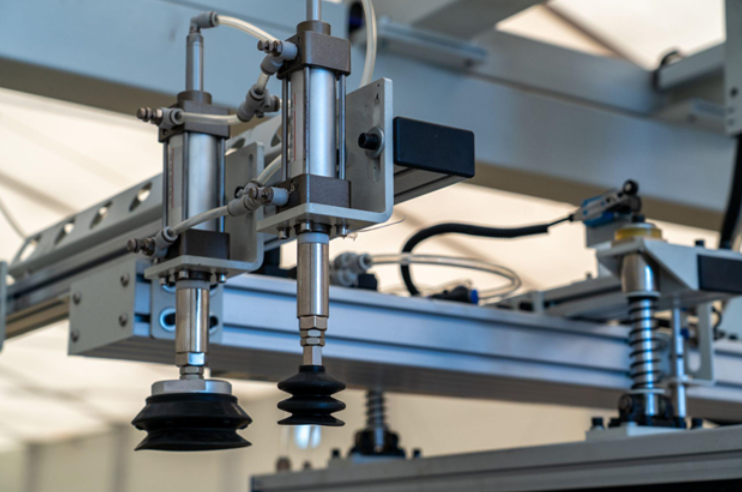
"Fluid power" is a term that refers to both hydraulic and pneumatic systems in the use of automated equipment. Both systems require a source that generates pressure, which then directs and regulates the fluid, converting it into energy and mechanical movement. Hydraulic systems use liquid for these purposes, while pneumatic systems use compressed air.
Comparing Major Components
Different systems have different components. As an automation technician, you'll need to be able to identify components of both. You'll also need to know how the various parts connect and which areas tend to break as the system ages. You'll learn all this at Automation Technician Training.
Hydraulic Components
- Reservoir tank: This part of the hydraulic system holds liquid for the pump, and excess liquid to make up for any fluid loss within the system.
- Pump: The pump moves the liquid throughout the system and creates the energy.
- Actuator: The actuator takes hydraulic energy and converts it back into mechanical energy.
- Filters and strainers: These components help keep the fluid inside the system clean.
- Electric motor: The motor is the power source that keeps the system going.
- Hydraulic hoses: Hoses help create the path for the fluid to move.
- Pressure gauges: Pressure gauges provide a method for testing the system.
Pneumatic Components
- Pressurized tank: The pneumatic device captures air and pressurizes it in a tank.
- Compressor: The compressor pressurizes the air inside the tank.
- Filters: The air is cleaned through a filter.
- Regulators: The regulator is a device that regulates the pressure of the air within the system.
- Tubing: Tubing allows the air to move throughout the pneumatic device.
- Fittings: Fittings connect the parts of a pneumatic system and keep the air contained.
- Cylinders: Cylinders are pneumatic parts that create force.
- Valves: These parts manage airflow and ensure that the air is moving in the right direction.
- Pressure gauges: These devices monitor pressure within the system.
Maintenance Requirements: Hydraulics vs. Pneumatics
Hydraulic Maintenance
Hydraulic cleanliness is a major maintenance priority within any hydraulic system. Routine inspection of fluid levels and fluid condition can help keep the hydraulic system in good shape. Contamination can damage hydraulic components, causing leaks, corrosion, and other problems.
Pneumatic Maintenance
Just as liquid cleanliness matters in a hydraulic system, air quality is key to a functioning pneumatic system. This is why automation technicians spend a lot of time focusing on filters and the condition of the air inside the tubing and fittings. Moisture and contamination can cause corrosion, rust, and loss of lubrication, eventually creating leaks and preventing the system from moving fluidly. Air inside the pneumatic system must be clean, dry, and of the correct pressure at all times.
Common Hydraulic Failure Points
If you're working on a hydraulic system, below are some of the most common hydraulic failure points. Many of these problems can be tied back to liquid contamination.
- Hydraulic pump: The purpose of the pump is to deliver flow. If the pump experiences a low fluid level or low pressure, it could be due to a problem with the pump or a problem elsewhere in the system.
- Hydraulic cylinders: Cylinders can experience uneven movement, fluid leakage, slow fluid movement, and other problems relating to fluid contamination, worn seals, cylinder misalignment, and so on.
- Hose and fittings: Hoses and fittings may experience leaks due to deterioration of the seals and other problems.
Common Pneumatic Failure Points
If you're an automation technician working on a pneumatic system, many of the problems that you identify may come back to air contamination.
- Air leaks: Leaks happen in fittings, tubing, cylinder seals, regulators, valves, and at other connections within the system. Leaks cause pressure loss, wasted energy, and slow air movement throughout the system.
- Filters: Clogged air filters restrict airflow. Filters need to be changed as part of regular preventive maintenance.
- Cylinders: These components may experience slow or jerky movements due to problems like contamination, damaged rods, and worn seals.
What This Means for Automation Technicians
As an automation technician, you'll need to understand the differences between pneumatic and hydraulic systems to perform work in a variety of industrial settings. Once you've received a certificate from a training program provider like George Brown Polytechnic, you'll be ready to pursue your career. To get started with Automation Technician Training, contact George Brown Polytechnic about our Automation Technician Program at info@gbctechtraining.com or call our toll-free number at 1-888-553-5333.